Xander Meier · 21 October 2026
Small Boat Builders Share Adaptive Techniques for Hull Reinforcement Using Local Materials in Northern Inland Regions
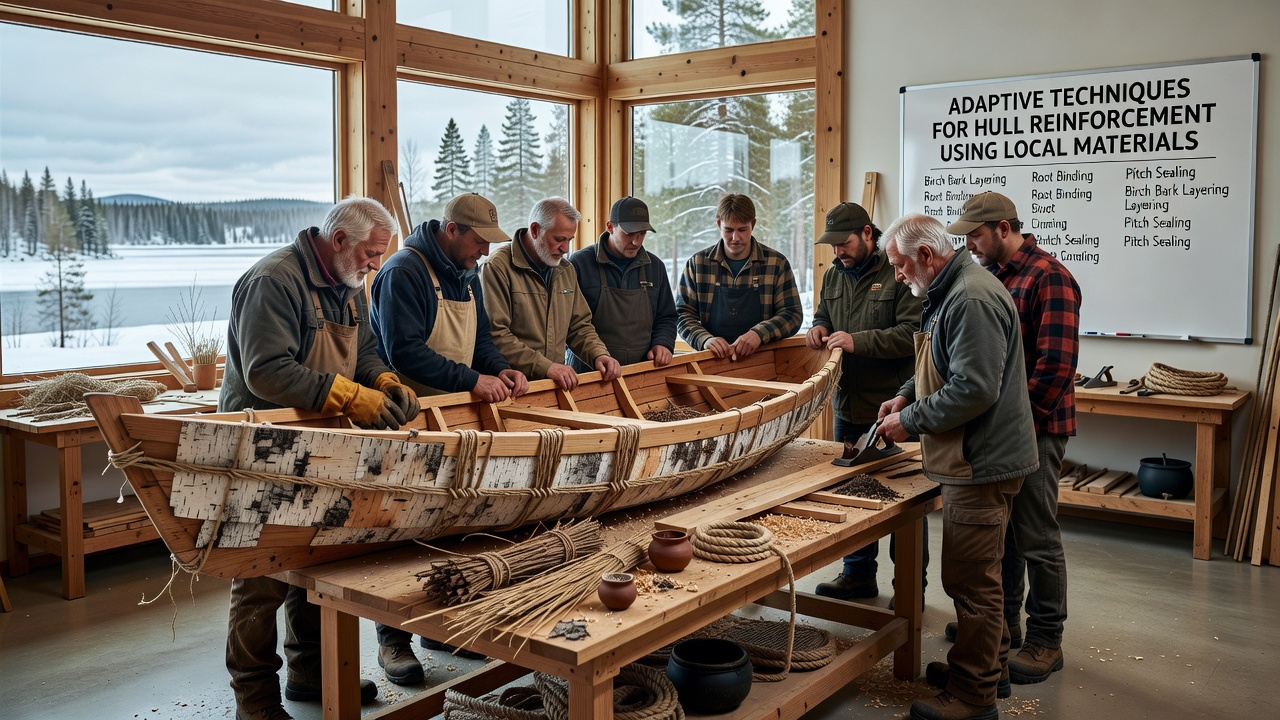
Builders across northern inland waterways have developed methods to strengthen small boat hulls by drawing on materials gathered from surrounding forests and shorelines, and these approaches address the stresses from ice, temperature swings, and seasonal water level changes that affect lakes and rivers in places like the Great Lakes basin and similar Canadian and Scandinavian zones. Research from regional maritime programs shows that communities in these areas have refined reinforcement practices over decades, combining local timber species with natural fibers to create durable patches and layers that hold up under repeated freeze-thaw cycles.
Local Materials and Their Properties
Data from forestry inventories in northern regions indicate that builders select birch, cedar, and spruce for core structural additions because these woods offer good flexibility and resistance to splitting when properly seasoned, while resin-rich species provide natural sealing qualities that reduce water absorption. Observers note that communities often harvest these resources within short distances of launch sites, which keeps costs down and aligns with seasonal availability patterns documented in annual harvest reports.
Additional reinforcements come from local reeds, grasses, and bark strips that builders weave or laminate into hull surfaces, and studies by inland waterway authorities confirm these elements add tensile strength without adding excessive weight that could affect maneuverability in shallow channels. In October 2026, several builder networks plan to exchange samples of these materials at regional gatherings to compare performance across different lake systems.
Adaptive Reinforcement Techniques
Builders apply overlapping layers of split wood strips secured with boiled resin mixtures derived from local conifers, and this method creates flexible joints that absorb impacts from floating debris or ice floes while maintaining hull shape. Those who have documented the process report that the technique allows for on-site repairs using hand tools, which proves essential when access to commercial yards remains limited during winter months.
Another approach involves embedding bundles of dried plant fibers into grooves cut along stress points, then sealing them with heated sap blends that harden into protective coatings, and field tests conducted by university extension services show these reinforcements extend service life by measurable margins in cold-water environments. Builders coordinate through informal networks to refine application sequences, ensuring each layer bonds properly before the next is added.
Community Sharing Networks
Groups in northern inland areas exchange detailed construction notes and material sourcing maps through seasonal meetings and shared digital records, and this collaboration helps newer participants learn proven sequences for preparing and applying local reinforcements. Figures from trade association summaries reveal steady growth in participation, with attendees often bringing physical examples of completed hull sections for direct comparison.
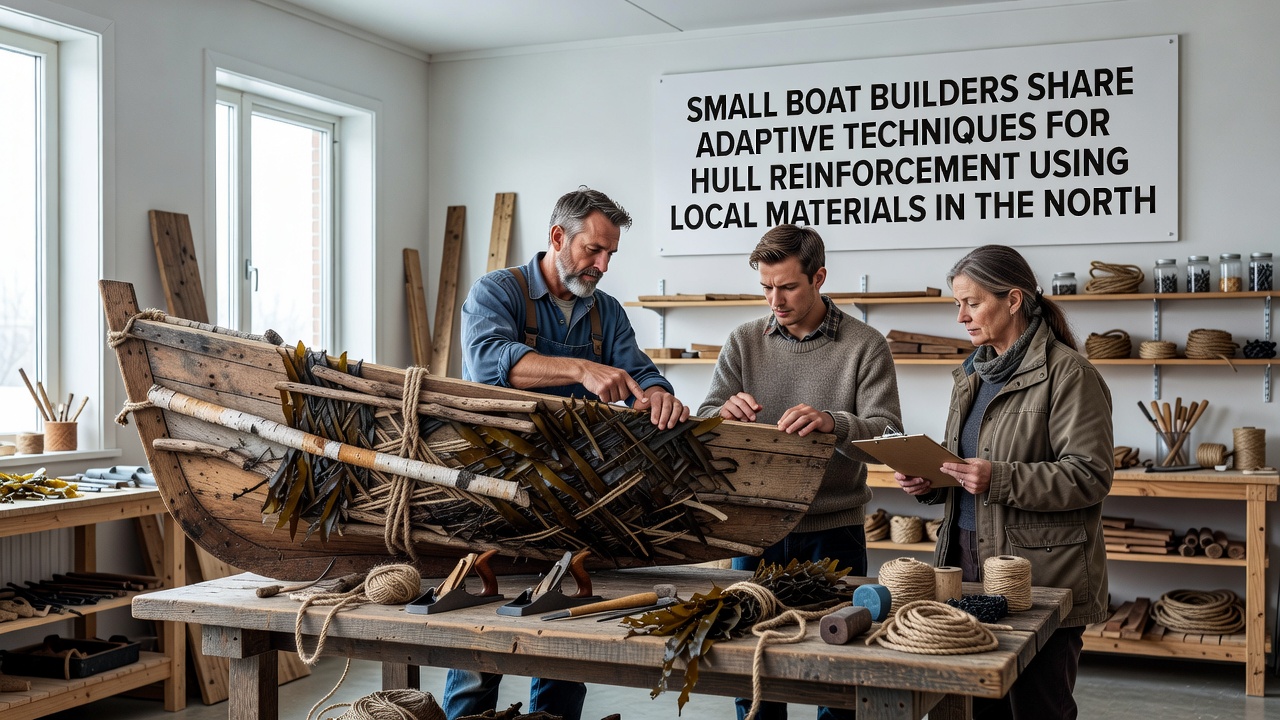
Workshops focus on adapting older methods to current conditions, such as incorporating thicker bark layers where water acidity levels have shifted, and participants review data collected from boats that have operated for multiple seasons under these modifications. Natural Resources Canada reports on sustainable harvesting practices provide reference points that builders consult when planning material collection routes.
Performance Outcomes and Regional Variations
Records maintained by inland navigation offices show that boats using these local-material reinforcements experience fewer structural failures during peak ice periods compared with unmodified vessels, and builders track these results through simple logs that note repair frequency and material performance. Variations appear across different watersheds, with builders near forested zones favoring wood-heavy methods while those closer to open shorelines experiment with added fiber densities.
University-led monitoring programs in the upper Midwest and equivalent Canadian zones collect ongoing measurements that help refine layer thicknesses and resin formulas, and these findings circulate back to builder groups for practical testing. The process creates feedback loops where observed wear patterns directly inform adjustments made in subsequent construction seasons.
Conclusion
Small boat builders in northern inland regions continue to refine hull reinforcement methods that rely on locally available materials, and the documented techniques demonstrate consistent structural benefits across varied water conditions. Ongoing exchanges among these groups, including planned events in October 2026, support the spread of tested approaches while maintaining connections to established regional practices. Data from government and academic sources confirm measurable improvements in durability that align with the environmental demands of these waterways.