Felix Becker · 7 October 2026
The Evolution of Lightweight Hull Construction Techniques Among Independent Coastal Builders in the Pacific Northwest
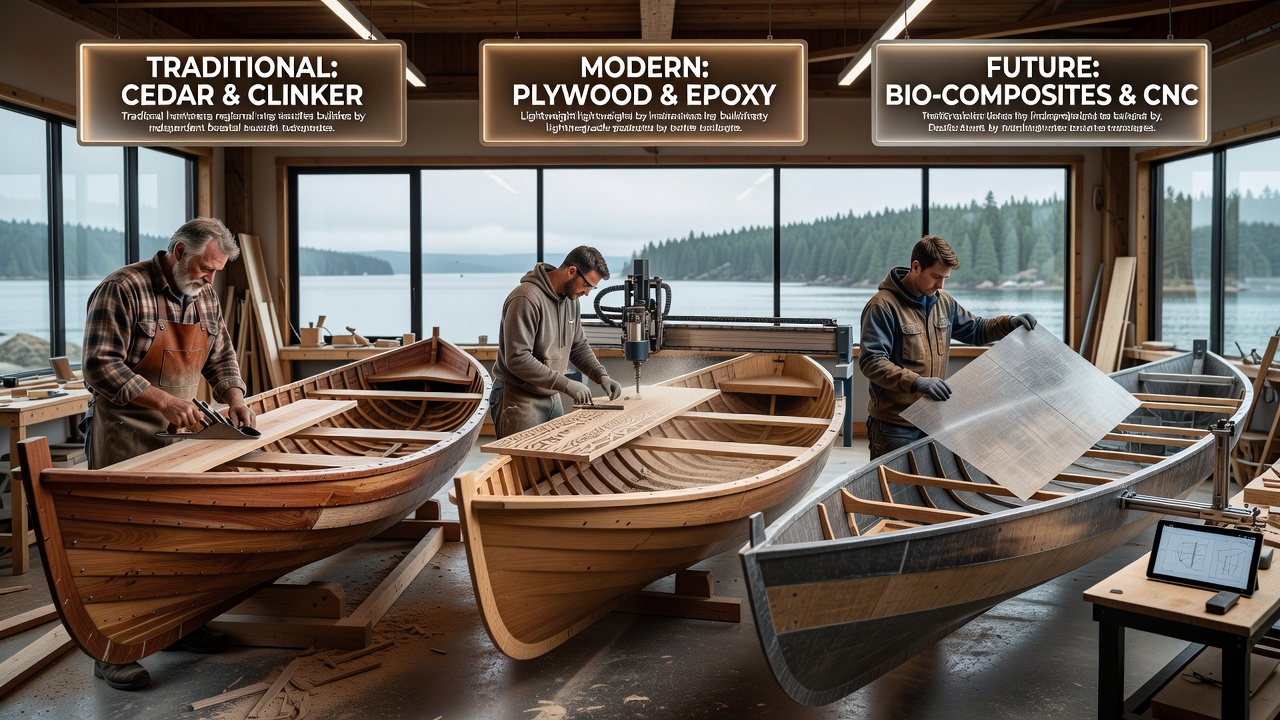
Independent coastal builders in the Pacific Northwest have refined lightweight hull construction over several decades, moving from heavy timber frames to advanced composite layups that reduce overall vessel weight while maintaining structural integrity; this progression reflects broader shifts in material availability and regional maritime demands. Early techniques relied on local cedar and fir, which builders laminated in multiple thin layers to achieve strength without excess mass, and those methods set the foundation for later innovations that spread among small yards from Puget Sound to the Oregon coast.
Early Foundations in Regional Boatbuilding
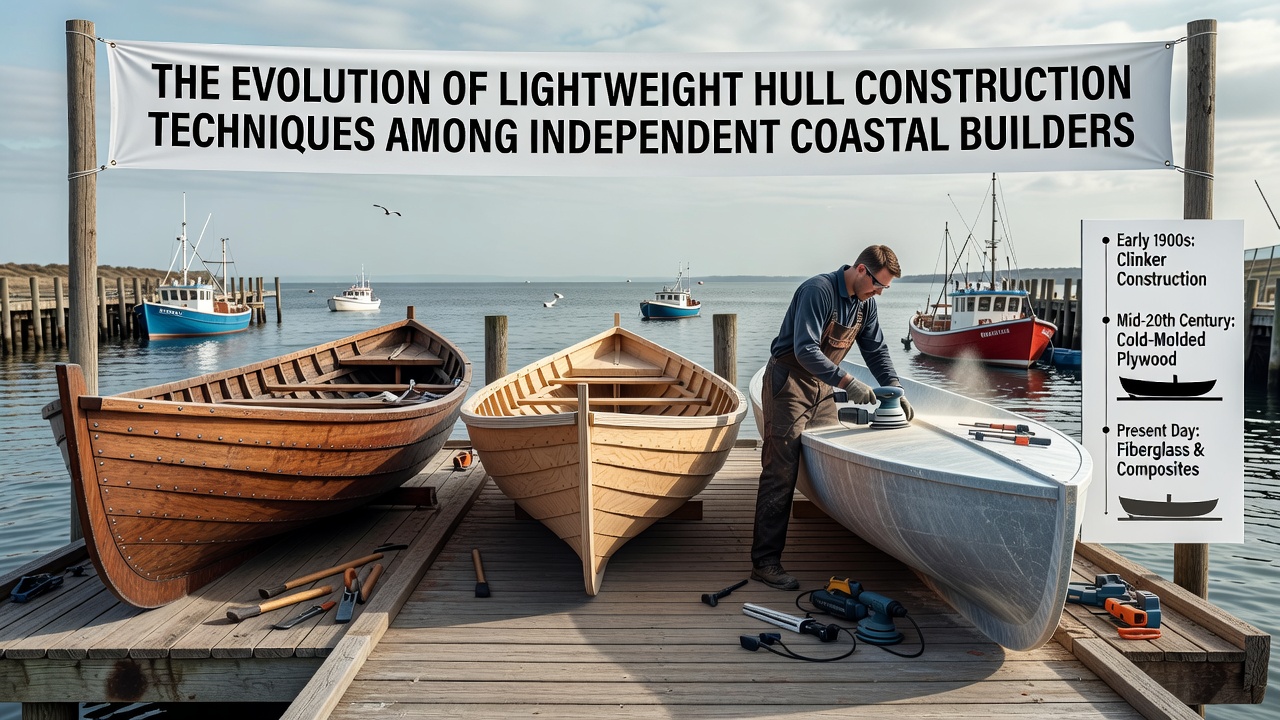
Coastal builders began experimenting with reduced-weight designs in the mid-twentieth century, when post-war material shortages encouraged the use of plywood sheets glued with resorcinol adhesives over traditional plank-on-frame construction. Researchers at regional maritime archives note that by the 1960s many independent operators had adopted stitch-and-glue plywood techniques originally developed in Europe, yet adapted locally with fir veneers sourced from nearby forests; these changes allowed smaller crews to produce hulls that weighed up to thirty percent less than earlier equivalents. Data from Fisheries and Oceans Canada shows comparable lightweight plywood vessels operating in British Columbia waters during the same period, confirming parallel development across the border.
Transition to Composite Materials
By the 1980s independent builders started integrating fiberglass cloth with epoxy resins, a step that further decreased hull mass and improved resistance to moisture damage common in the damp Pacific climate. Vacuum-bagging methods entered workshops during this era, enabling tighter fiber-to-resin ratios that increased strength-to-weight performance; observers at small boatyards in Port Townsend and Astoria documented the gradual replacement of wooden stringers with foam-cored panels. Studies from the University of Washington’s marine engineering program indicate that these composite hulls achieved significant reductions in displacement, which in turn lowered fuel consumption for commercial fishing and recreational craft.
Contemporary Approaches and Material Advances
Current practice among independent builders incorporates carbon fiber reinforcements and hybrid cores made from recycled PET foam or balsa, choices that balance performance with sustainability concerns. Builders often combine these with CNC-cut plywood bulkheads to maintain precision while cutting assembly time; the result appears in vessels launched each season that demonstrate improved speed and handling in coastal conditions. Preparations for the maritime innovation summit scheduled for October 2026 have highlighted several of these techniques, drawing attention to workshops that share vacuum infusion processes adapted for small-scale operations.
What's interesting is how builders have integrated 3D modeling software to optimize panel shapes before cutting, a practice that minimizes waste and allows rapid iteration on hull lines. One study revealed that workshops using these tools reported measurable gains in consistency across successive builds, particularly when producing one-off designs for local clients. And yet the human element remains central: experienced laminators still judge resin flow by hand during infusion, ensuring even saturation without excess weight.
Regional Influences and Knowledge Sharing
Knowledge transfer occurs through informal networks that connect builders from Washington to northern California, often during winter gatherings where techniques such as cold-molded strip planking are demonstrated alongside newer pre-preg carbon methods. Trade organizations along the coast compile annual reports that track material usage trends, revealing a steady increase in the proportion of composite hulls relative to traditional wood construction. Those who've studied this know the Pacific Northwest's mild winters and access to marine-grade resins have accelerated adoption compared with colder climates elsewhere.
Regulatory guidance from bodies such as the U.S. Coast Guard continues to shape minimum standards for scantlings, yet independent builders frequently exceed those baselines when pursuing competitive weight savings. Figures reveal that average hull weights for comparable length vessels have declined steadily since 2000, correlating with the spread of hybrid core materials and automated cutting equipment.
Conclusion
The trajectory of lightweight hull construction among independent coastal builders in the Pacific Northwest illustrates a sustained response to material science advances and local operating conditions. Continued refinement of composite processes and digital design tools suggests further incremental gains in the years ahead, particularly as builders prepare demonstrations for events like the 2026 summit. These developments remain grounded in the practical experience of small yards that balance performance requirements with the realities of coastal use.