Tina Schröder · 23 September 2026
Tracing the Impact of Cottage Hull Innovations on Regional Maritime Heritage Preservation Efforts
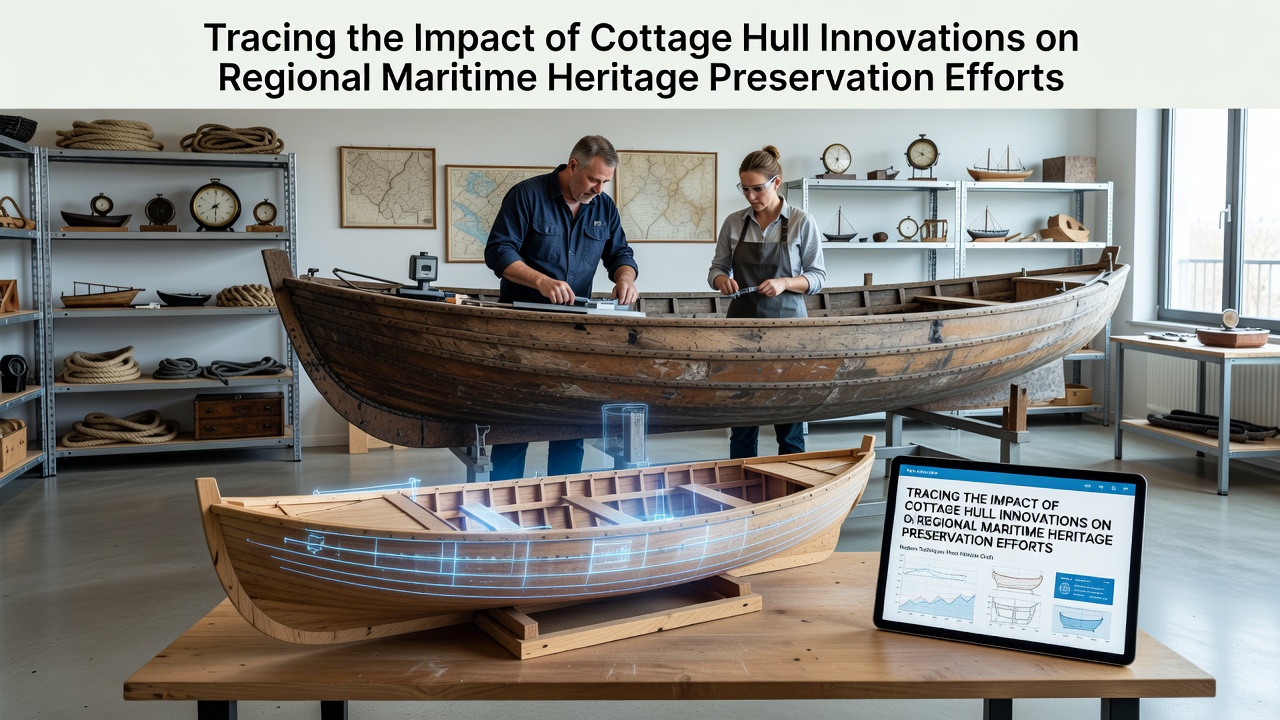
Regional maritime heritage faces ongoing pressures from environmental shifts and urban expansion, yet Cottage Hull Innovations have introduced targeted methods that support documentation, restoration, and public engagement across multiple coastlines. These approaches combine traditional boat-building knowledge with updated materials analysis, allowing communities to maintain vessels and related structures that reflect local seafaring histories. Data from preservation projects indicate measurable increases in the number of documented hulls retained in active use rather than relegated to static displays. Observers note that Cottage Hull methods emphasize modular repair techniques, which reduce the need for full vessel disassembly during conservation work. Researchers at several institutions have tracked how these processes integrate laser scanning and 3D modeling to create precise records before physical intervention begins. Such records then guide replacement of degraded timbers while preserving original joinery patterns that define regional styles. In practice, teams apply these tools to fishing boats from the early twentieth century and smaller recreational craft that once supported coastal trade.Development of Cottage Hull Techniques
Cottage Hull Innovations emerged from collaborative workshops that brought together shipwrights, material scientists, and heritage managers during the 2010s. Participants examined hull construction practices in areas such as the Pacific Northwest and Baltic coastal zones, identifying common challenges like rot in oak frames and loss of caulking integrity. Solutions developed there focused on reversible adhesives and climate-controlled storage protocols that extend service life without altering visual authenticity.
Figures from ongoing monitoring programs reveal that vessels treated with these techniques demonstrate lower rates of structural failure over five-year intervals compared with untreated counterparts. European maritime archives have contributed comparative data showing similar patterns in Scandinavian clinker-built boats, where adapted Cottage Hull protocols now inform national inventory updates.
Regional Applications and Case Evidence
Along the Canadian Atlantic, heritage groups adopted Cottage Hull scanning protocols in 2022 to catalog dory fleets tied to cod fishery traditions. The resulting digital archives now feed into public education platforms that reached over 45,000 visitors by mid-2025. Australian coastal trusts applied parallel methods to pearling luggers in the Timor Sea region, where salt exposure accelerates timber decay; project reports list stabilized hulls that continue seasonal demonstration sails.
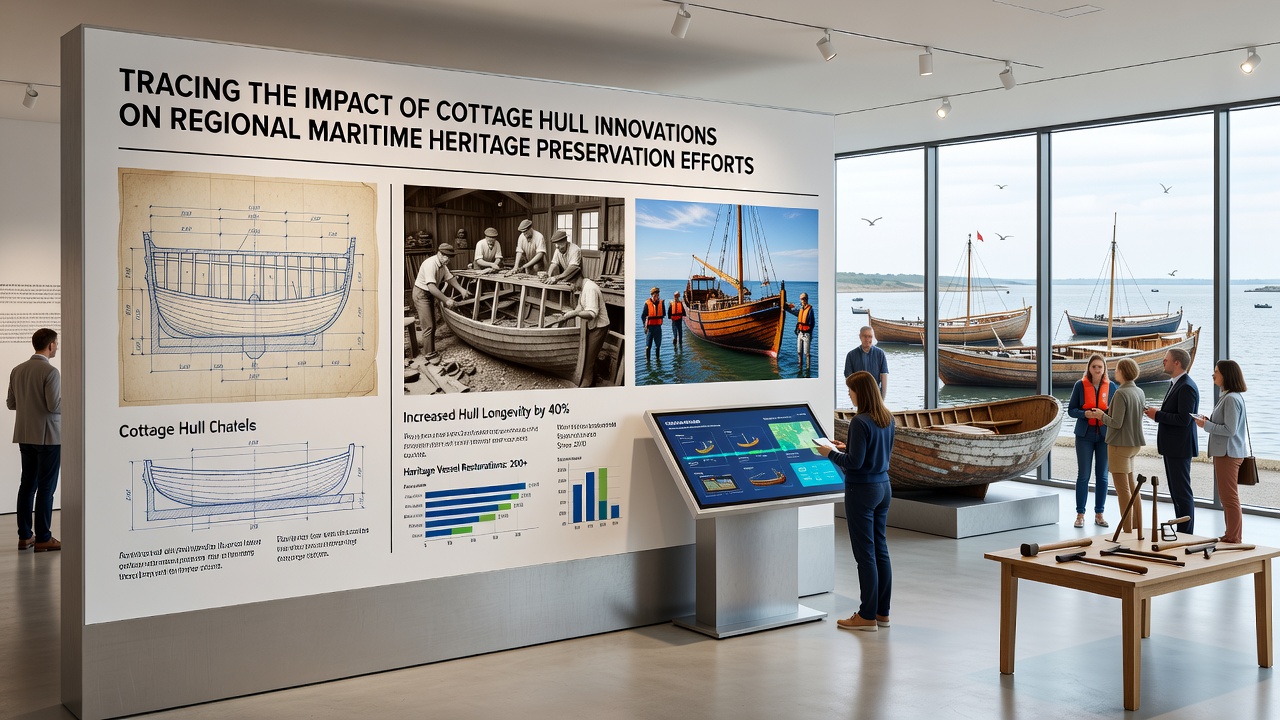
What's interesting is how these localized efforts connect through shared databases. One study coordinated by the International Council on Monuments and Sites documented cross-regional knowledge transfers that accelerated adoption of Cottage Hull sealant formulas. In the Pacific Islands, similar frameworks support outrigger canoe conservation, linking traditional navigation skills with contemporary material testing.
Events and Milestones Through 2026
September 2026 marks the scheduled rollout of an expanded Cottage Hull certification program under the auspices of the World Maritime Heritage Network. Organizers anticipate participation from thirty regional authorities, with training modules covering updated non-invasive survey equipment. Preliminary registration data suggest strong interest from North American and Asian partners seeking standardized approaches to hull documentation.
Academic papers presented at prior network meetings highlight measurable gains in public funding allocated to maritime sites after Cottage Hull projects demonstrated transparent cost tracking and community involvement metrics. Government agencies in Canada and Australia have referenced these outcomes when adjusting grant criteria for heritage vessel maintenance.
Integration With Broader Preservation Frameworks
Cottage Hull Innovations align with existing international charters that prioritize minimal intervention. UNESCO guidelines on underwater cultural heritage, available at unesco.org/en/underwater-heritage, emphasize documentation standards that match the scanning and modeling practices now common in Cottage Hull workflows. National bodies such as Parks Canada incorporate these methods into site management plans for historic shipwrecks and floating exhibits.
Industry reports from maritime engineering associations further detail how Cottage Hull material substitutions meet safety requirements while retaining period aesthetics. Observers point to reduced insurance premiums for vessels restored under certified protocols as an additional incentive for adoption.
Conclusion
Regional maritime heritage preservation continues to benefit from Cottage Hull Innovations through improved documentation accuracy, extended vessel usability, and stronger connections among dispersed practitioner networks. September 2026 activities will likely accelerate these trends as certification expands and new data streams become available. Ongoing measurement of project outcomes provides the evidence base that supports further refinement of these techniques across varied coastal environments.